Stays
Where to Stay in Kyoto Without Losing Time to Bad Logistics
In Kyoto, your hotel area shapes the whole trip. Here is how to choose between Kyoto Station, Shijo, Gion and quieter districts based on pace, budget and crowd pressure.
Start with the real tradeoff
| Kyoto Station | Shijo-Kawaramachi / Karasuma | Gion / Higashiyama | Gosho / Nijo | |
|---|---|---|---|---|
| Logistics and transfers | ||||
| Setting and atmosphere | ||||
| Value per night | ||||
| Calm around the hotel | ||||
| Restaurants within walking distance |
Choose by what you are optimising for: daily logistics or setting.
In Kyoto, the hotel area matters almost as much as the sightseeing plan. Kyoto Travel notes that buses can be useful but often get crowded, while trains and subways are frequently the smoother way to move around the city. That makes neighborhood choice a practical decision, not just an aesthetic one.
The four areas most first-time travelers should compare
Kyoto Station is best for logistics. It works especially well if you arrive late, leave early, travel with luggage, or want easy JR access for places such as Fushimi Inari and Arashiyama. It is less atmospheric, but often the most resilient choice.
Shijo-Kawaramachi and Karasuma are the best all-round answer for many travelers. You get strong restaurant access, walkability toward Gion and Nishiki Market, and better balance between atmosphere and convenience.
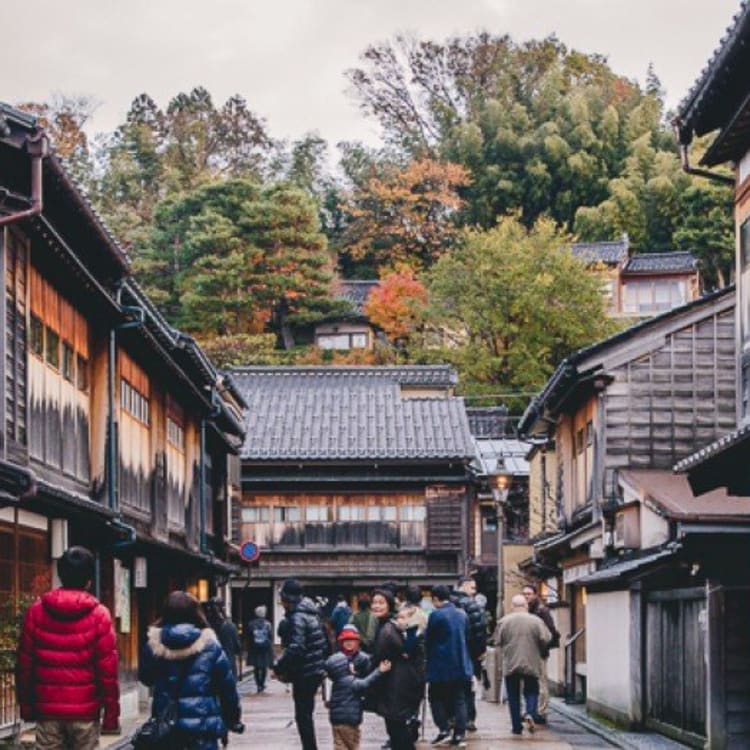
Gion and Higashiyama are the right choice when the setting itself matters. If you want classic Kyoto streets in the morning and evening, this is the premium option. The tradeoff is higher price, heavier crowd pressure and less forgiving logistics.
Gosho and Nijo are quieter and more local-feeling, while still remaining well connected. They are excellent for travelers who want calmer nights without drifting too far from the city’s main routes.
When to get personal help
Personal advice is worth it if you are torn between Kyoto Station and eastern Kyoto, if you are traveling in peak season, or if your Kyoto stay needs to connect cleanly with Osaka, Nara or Arashiyama.
More guides
Kyoto Station or Gion: Which Area Fits Your Route?
Where to Stay in Kyoto with Family: Choose an Area Without Friction
Where To Stay In Kyoto
Kyoto: Arashiyama or Higashiyama on a First Trip?
Kyoto with Children: Temples, Breaks and Areas at the Right Pace
Kyoto in 3 Days: What Is Actually Worth Prioritizing