Seasons
Golden Week 2026 in Japan: Prices, Crowds and Smart Routing
Golden Week can be the wrong week for a first trip, but not always. Here is what 2026 looks like and how to plan around the pressure.
The first question
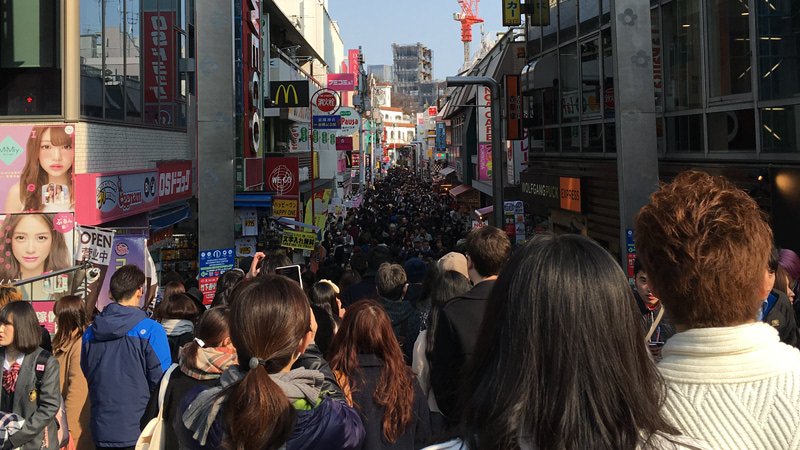
For many first-time visitors, the best answer is to avoid Golden Week if you can. JNTO identifies it as one of Japan’s busiest travel periods, with higher prices, fuller hotels and crowded transport.
In 2026, the key public holidays fall on April 29 and May 3, 4 and 5, with May 6 also becoming a holiday under Japan’s holiday rules. In practice, you should expect strong travel pressure from April 29 through May 6, especially if domestic travelers bridge the gap with extra leave.
What gets difficult
Golden Week mainly affects: - long-distance trains, especially shinkansen - domestic flights - hotels in Tokyo, Kyoto, Osaka and major excursion areas - iconic sightseeing districts and theme parks - road travel on popular driving routes
This does not mean all of Japan is impossible. Neighborhood dining, smaller museums and lower-key city days can still work well. The issue is route design.
When Golden Week can still work
It can work if you stay longer in each place, keep the trip city-based, and book all critical hotels and transport early. A slower Tokyo-focused trip is often much better than trying to cram Tokyo, Kyoto, Osaka and side trips into one crowded week.
When you should avoid it
Avoid Golden Week if: - this is your first Japan trip - you want the standard multi-city route - you rely on flexibility - you dislike queues and packed trains - your budget is tight and you hope to book late
Smart 2026 strategy
If you must travel then, do fewer moves, prioritize station-adjacent hotels, reserve long-distance trains early, and lower your expectations for highly saturated day trips. During Golden Week, paying for less friction is more valuable than paying for extra luxury.
When to get personal help
Personal planning is worth it if you must travel between April 29 and May 6, 2026 and still want a multi-city trip, or if you are traveling with children, older relatives or a very tight schedule.
More guides
Free sources for Japan events: what you can actually build
When to travel to Japan: seasons, pacing, and what suits different trips
Kyoto: Arashiyama or Higashiyama on a First Trip?
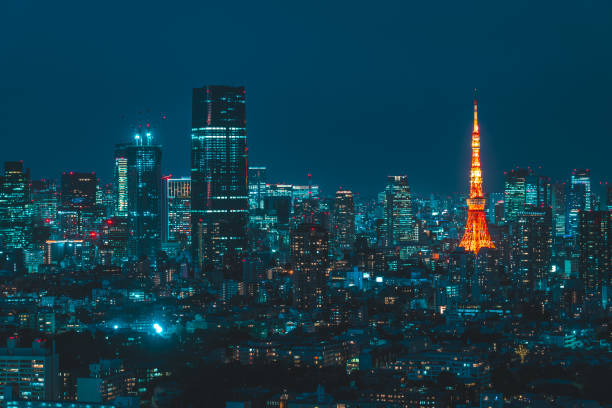
Tokyo Day by Day: Food, Shopping and a Calmer First-Trip Pace
Arrival Day in Japan: Plan Jetlag, Luggage and First Transport
Restaurants in Japan: What to Book Ahead and What Can Wait?