Planning
Autumn Leaves in Japan 2026: Pick the Right Pace and Base
Autumn in Japan works best when you choose the right region and pace, not just a single best week. Here is the practical strategy for 2026.
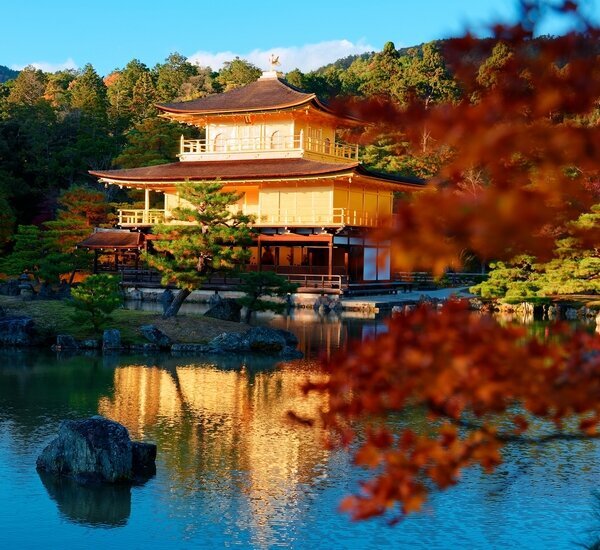
Decide what you are optimizing for
Autumn leaves in Japan are not one single season. The useful planning question is whether you want the strongest colors, the easiest weather, the most classic cities, or the least crowd pressure. You rarely get all four.
JNTO’s autumn guidance makes the pattern clear: northern regions and higher elevations turn earlier, while many classic city destinations peak later. For many travelers, late autumn in major cities works better than trying to chase the very first colors in the mountains.
Understand the autumn pattern
Think of three autumn trip types: - early autumn: more mountains, earlier color, more weather dependence - mid-autumn: balanced but logistically more demanding - late autumn: excellent for classic cities, especially Kansai, with heavier crowds
If you want city comfort, walkability and strong visuals, late-November planning is often more useful than broad October-to-November advice.
Three strong trip models
A city-focused trip is best for many first-time visitors. Build around Tokyo and one or two city bases, then treat autumn leaves as a premium layer on top.
A Kansai autumn trip centers on Kyoto, often with Osaka as the more practical hotel base. This gives you the classic temple-and-foliage version of Japan, but also higher crowd pressure.
A mountain-mix trip is best for travelers who really want elevation-driven foliage and are comfortable with more active logistics.
Booking logic
Book early: - Kyoto hotels for late November - boutique stays and ryokan - weekend dates in popular leaf-viewing areas
Keep flexibility in: - exact day trips - which parks and temples become your priority - whether an extra night in a mountain area is worth it
When to get personal help
Personal planning is worth it if autumn foliage is the main purpose of the trip, if you are mixing Kyoto with a more niche side trip, or if you have a narrow November window and want the strongest result without paying for the wrong hotel location.
More guides
Arrival Day in Japan: Plan Jetlag, Luggage and First Transport
Shopping in Japan First Trip: What Is Actually Worth the Time?
Rainy Days in Japan: Plan Without Losing the Trip's Pace
What to Book Ahead in Japan and What to Leave Open
Japan with Parents or Multiple Generations: Pace, Hotels and Route Choices
Japan with Teenagers: Cities, Pace and Freedom That Works