Itineraries
Kyoto in 3 Days: What Is Actually Worth Prioritizing
Three days in Kyoto is enough if you plan by geography and crowd pressure. Here is the structure that prioritizes the right sights at the right times.
The core decision
In Kyoto, the key is not what to add but what to cut. Kyoto Travel’s official advice repeatedly focuses on avoiding congestion, using mornings well, and choosing smarter routes. That is the right mindset for a three-day trip.
A strong 3-day structure
Day 1 should usually be eastern Kyoto: Kiyomizu-dera, the old lanes below it, then Yasaka, Gion or nearby temple areas. Start early and stay in the same zone rather than jumping around.
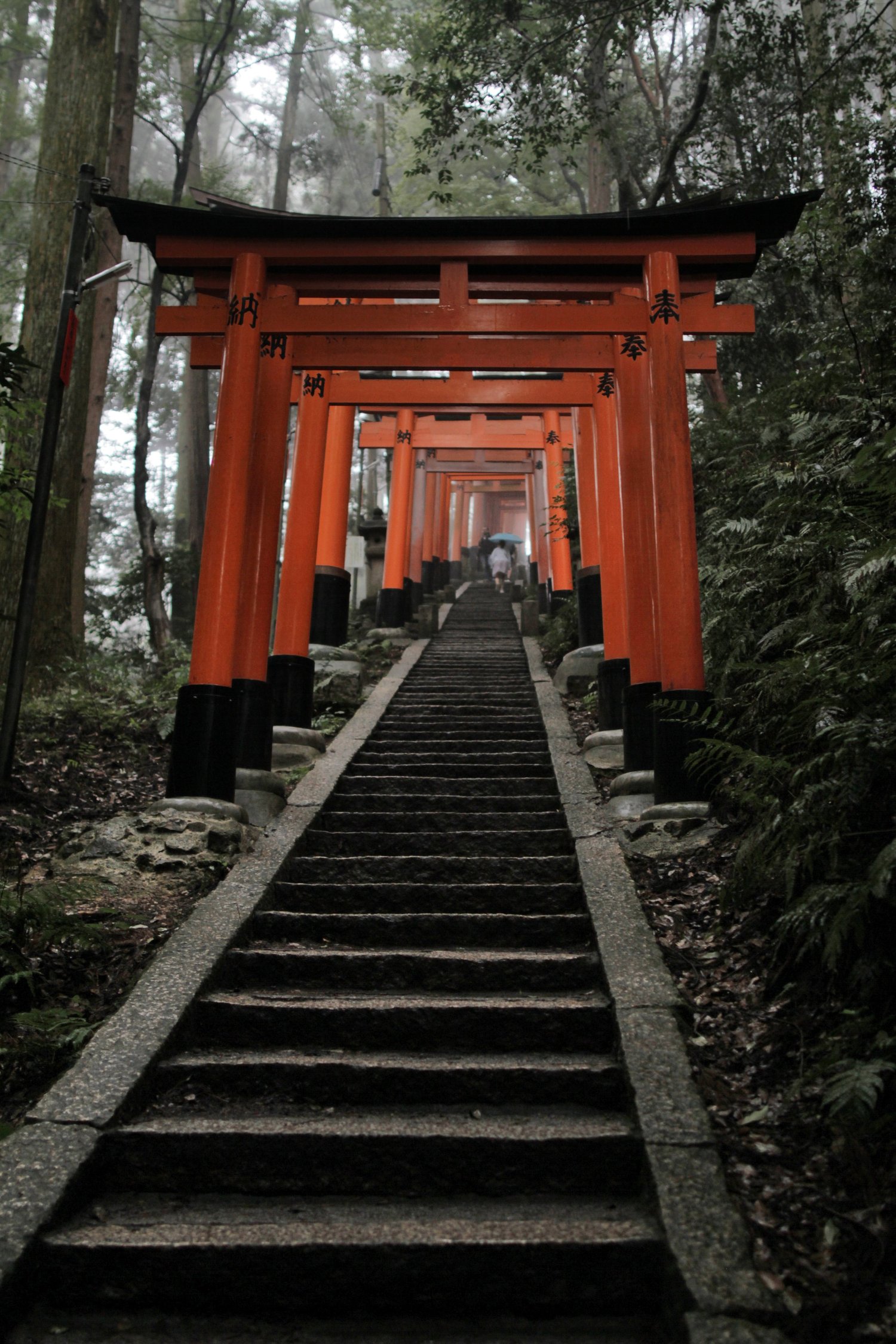
Day 2 works best if you begin with Fushimi Inari before the pressure builds, then move into central Kyoto for food, walking and a calmer contrast.
Day 3 should be a choice, not a pile-on. Pick Arashiyama if you want scenery and atmosphere. Pick the Kinkakuji side if an iconic quick-hit temple matters more.
What you can skip
On three days, skip guilt: - do not stack too many temples - do not rely on long midday bus rides - do not force Arashiyama and Kinkakuji into the same overfull day - do not treat every famous place as mandatory
When to get personal help
Personal planning is worth it if you want both Arashiyama and Kinkakuji without wrecking the pacing, if you are traveling in cherry blossom or autumn foliage season, or if Kyoto has to connect cleanly with Osaka or Nara inside the same short trip.
More guides
Kyoto: Arashiyama or Higashiyama on a First Trip?
Kyoto with Children: Temples, Breaks and Areas at the Right Pace
Kyoto Station or Gion: Which Area Fits Your Route?
Where to Stay in Kyoto with Family: Choose an Area Without Friction
Where to Stay in Kyoto Without Losing Time to Bad Logistics
Where To Stay In Kyoto