Planning
Japan’s Rainy Season: When It Matters and When It Doesn’t
Japan’s rainy season does not automatically ruin a trip. Here is when it really matters, and when it mostly calls for smarter planning.
The real planning question
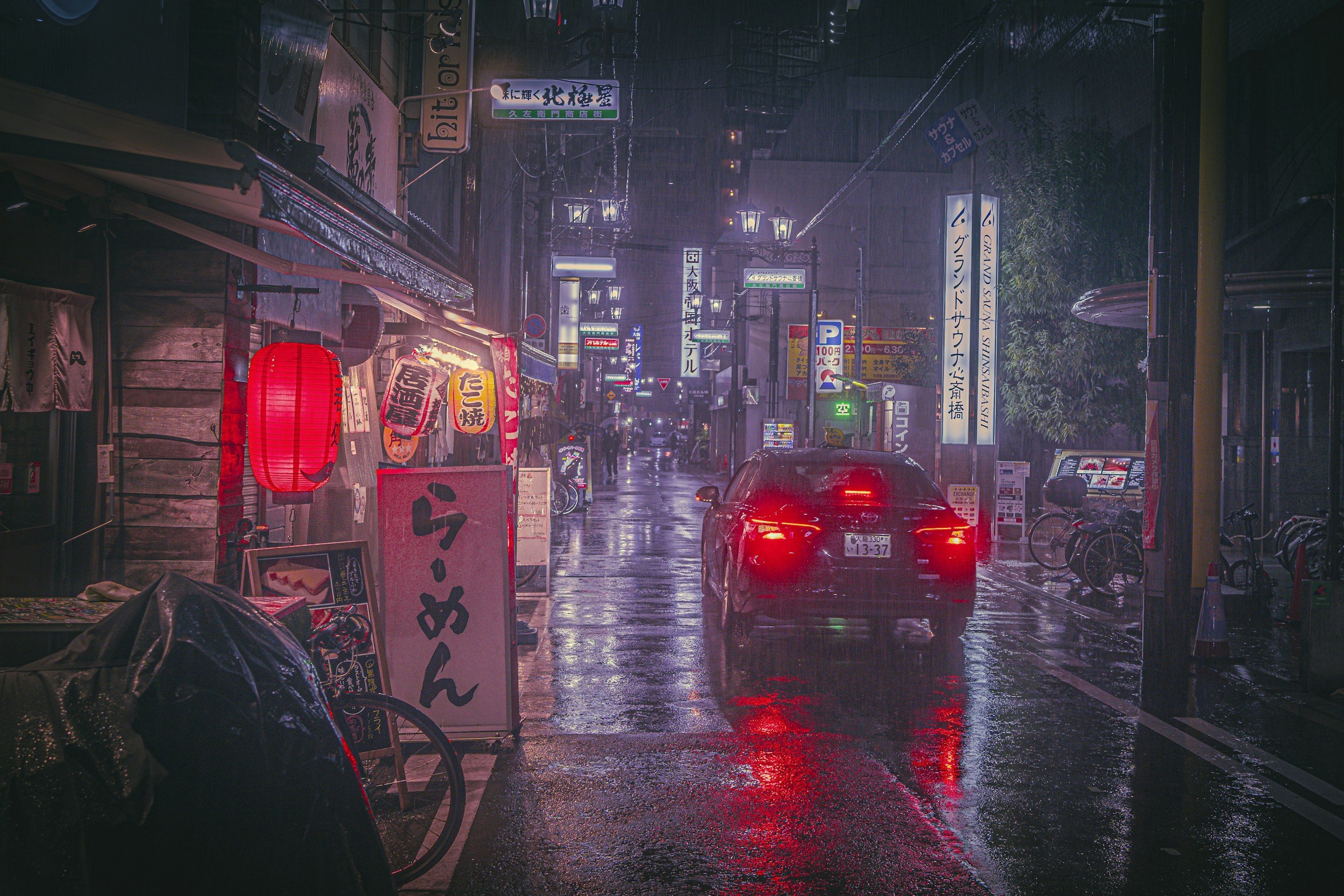
Rainy season in Japan matters most if your trip depends on views, hiking, outdoor pacing and easy sightseeing days. JMA describes baiu as a cloudy and rainy early-summer period that affects most of Japan from roughly early June to late July, with Okinawa and Amami earlier and Hokkaido largely outside the pattern.
That does not mean constant rain. It usually means more humidity, more gray skies, more intermittent rain and less reliable visibility.
When it matters a lot
Rainy season is a weaker fit if your trip depends on: - Fuji views - mountain areas and scenic outdoor days - tight outdoor itineraries - photography built around clear skies - very low tolerance for humidity and wet walking
When it matters less
It can work well for: - city trips centered on Tokyo or Osaka - food and shopping-heavy plans - slower travel styles - trips with many indoor options - travelers happy to treat good weather as a bonus, not a requirement
How to plan better
Build a more resilient trip: - use fewer hotel bases - keep major outdoor plans flexible - add museums, food halls and shopping zones as weather backups - do not let the whole trip depend on one scenic day - stay near stations to reduce weather friction
Tokyo is often the safest anchor in this season because the city can absorb bad weather better than a scenery-heavy route.
When to choose another season
Choose spring or autumn instead if you strongly care about open-air sightseeing, big view days, many nature stops, or the easiest possible first trip.
When to get personal help
Personal planning is worth it if you want to travel in June or early July but still hope to combine Fuji, Hakone, Kyoto and multiple outdoor priorities without wasting time on a weather-fragile route.
More guides
Arrival Day in Japan: Plan Jetlag, Luggage and First Transport
Shopping in Japan First Trip: What Is Actually Worth the Time?
Rainy Days in Japan: Plan Without Losing the Trip's Pace
What to Book Ahead in Japan and What to Leave Open
Japan with Parents or Multiple Generations: Pace, Hotels and Route Choices
Japan with Teenagers: Cities, Pace and Freedom That Works