Itineraries
Tokyo, Kyoto, Osaka: the classic route without unnecessary mistakes
How to split nights, when Osaka should be a base, and how the route improves when each city has the right role in the trip.
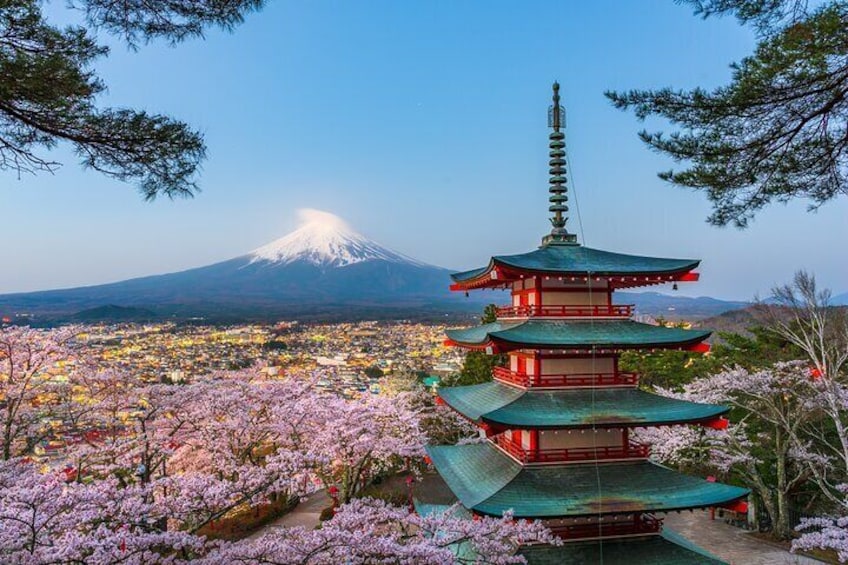
Why this route works
Tokyo, Kyoto, and Osaka are classic for a reason. Together they give you city energy, culture, food, and simple train logistics. The problem only starts when all three are treated as equal parts of the trip.
Give each city the right role
Tokyo is usually the engine: strong contrast, clear energy, and many first impressions. Kyoto brings depth, rhythm, and historical atmosphere. Osaka works best as a food city, evening city, or practical Kansai base for specific plans.
A split that usually works
- 4 nights in Tokyo
- 3 nights in Kyoto
- 1 to 2 nights in Osaka, or day trips from Kyoto depending on pace
When Osaka should be its own base
Choose Osaka as a separate base if food, nightlife, airport access, or time around Universal Studios matters more. Otherwise, Osaka is often strong as a visit from Kyoto rather than a full move.
Mistakes to avoid
- Too many hotel changes within the same region
- Too little time in Kyoto if culture matters
- Late-day transfers that erase the evening
- Treating Osaka as mandatory when the trip flows better without another move
How to personalize the route
You can adjust the route with a ryokan, Hakone, Kanazawa, or one more night in Tokyo, but the trip works best when every added stop has a clear purpose. Add only what improves the trip.
When an expert call helps
This route is ideal when you broadly know where you want to go, but need help distributing nights, pace, and hotel areas in a smarter way.
More guides
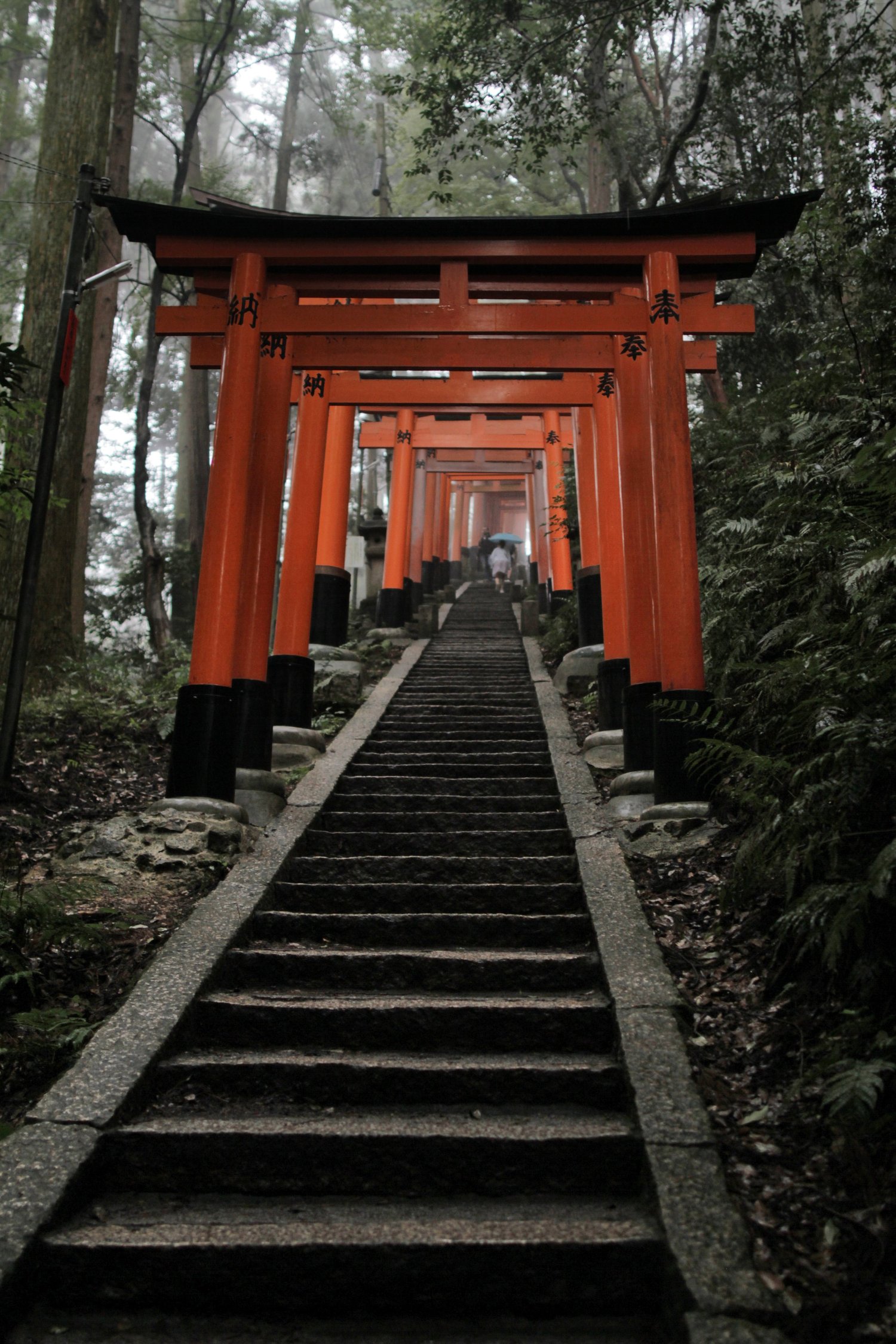
Kyoto: Arashiyama or Higashiyama on a First Trip?
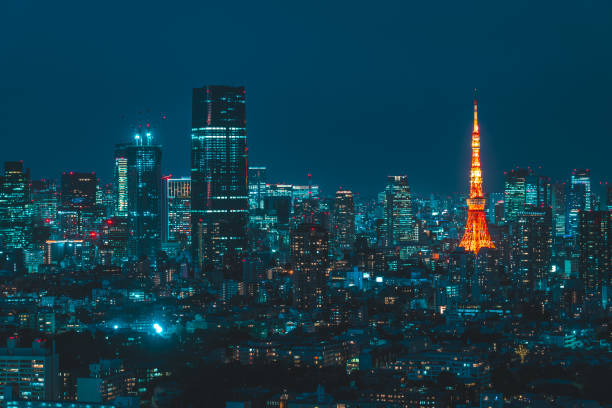
Tokyo Day by Day: Food, Shopping and a Calmer First-Trip Pace
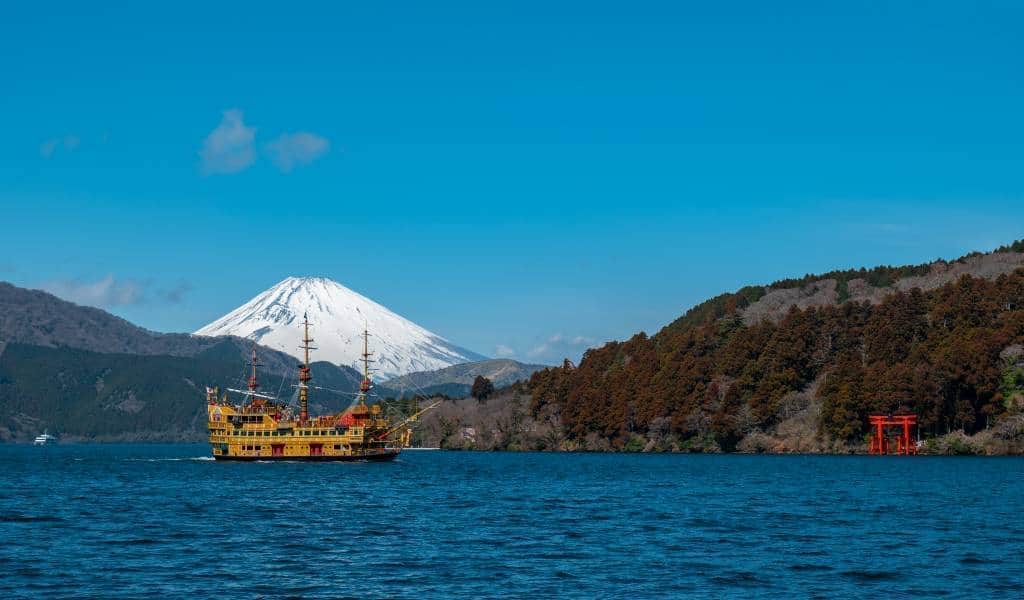
Hakone or Kawaguchiko: Which Fuji Choice Fits Best?
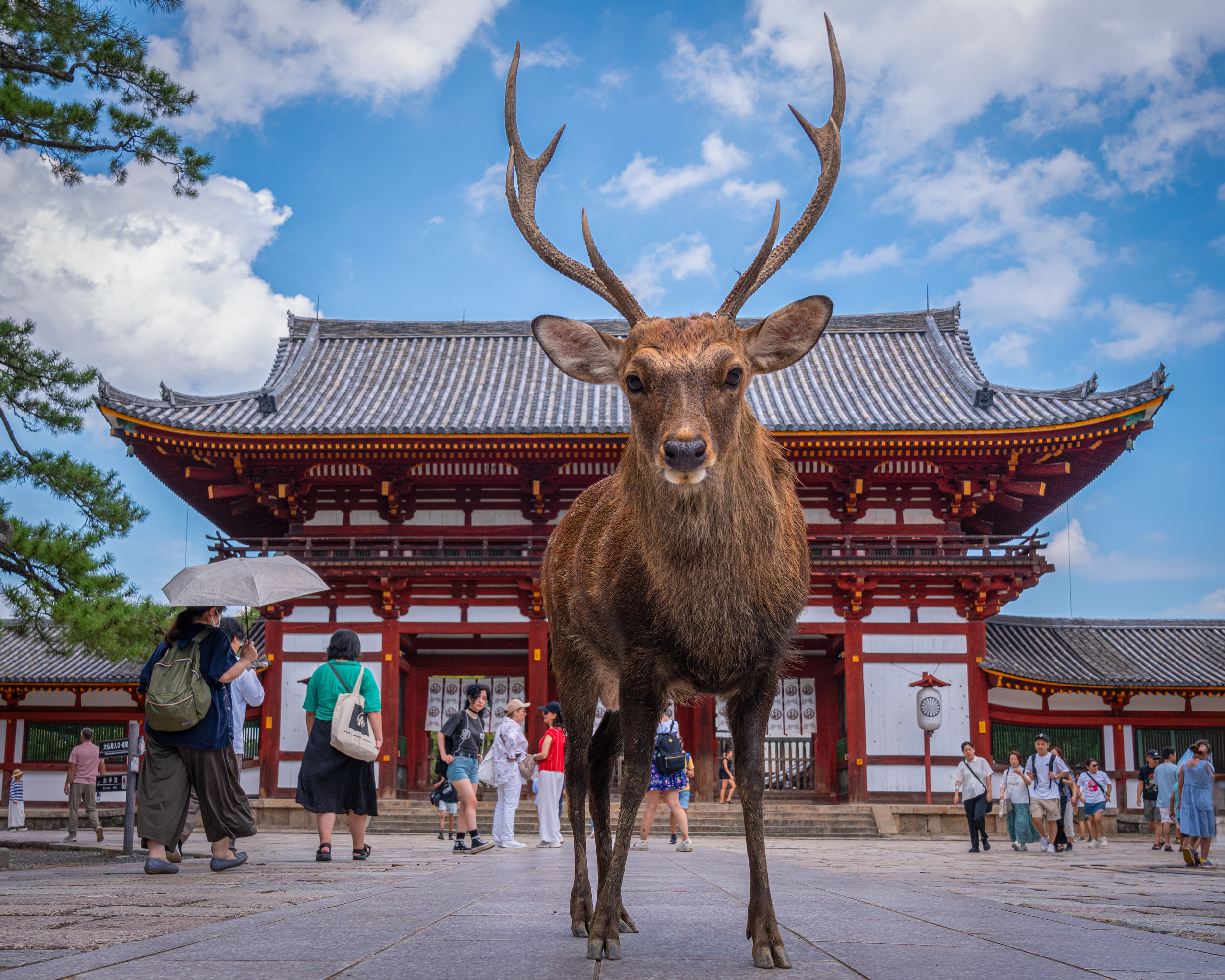
Nara: Should You Stay Overnight or Is a Day Trip Enough?
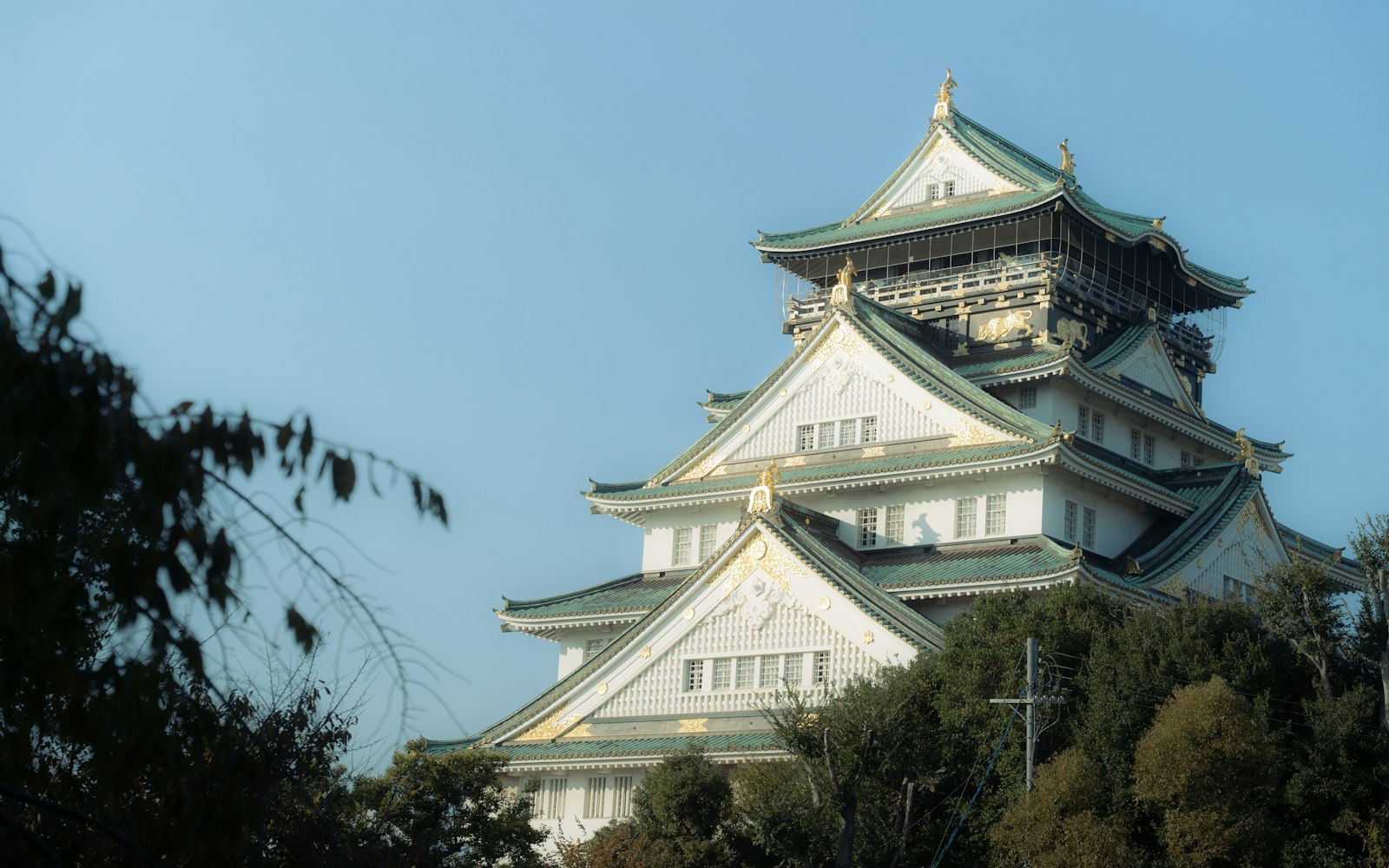
Osaka or Kyoto as a Base for Kansai Day Trips?
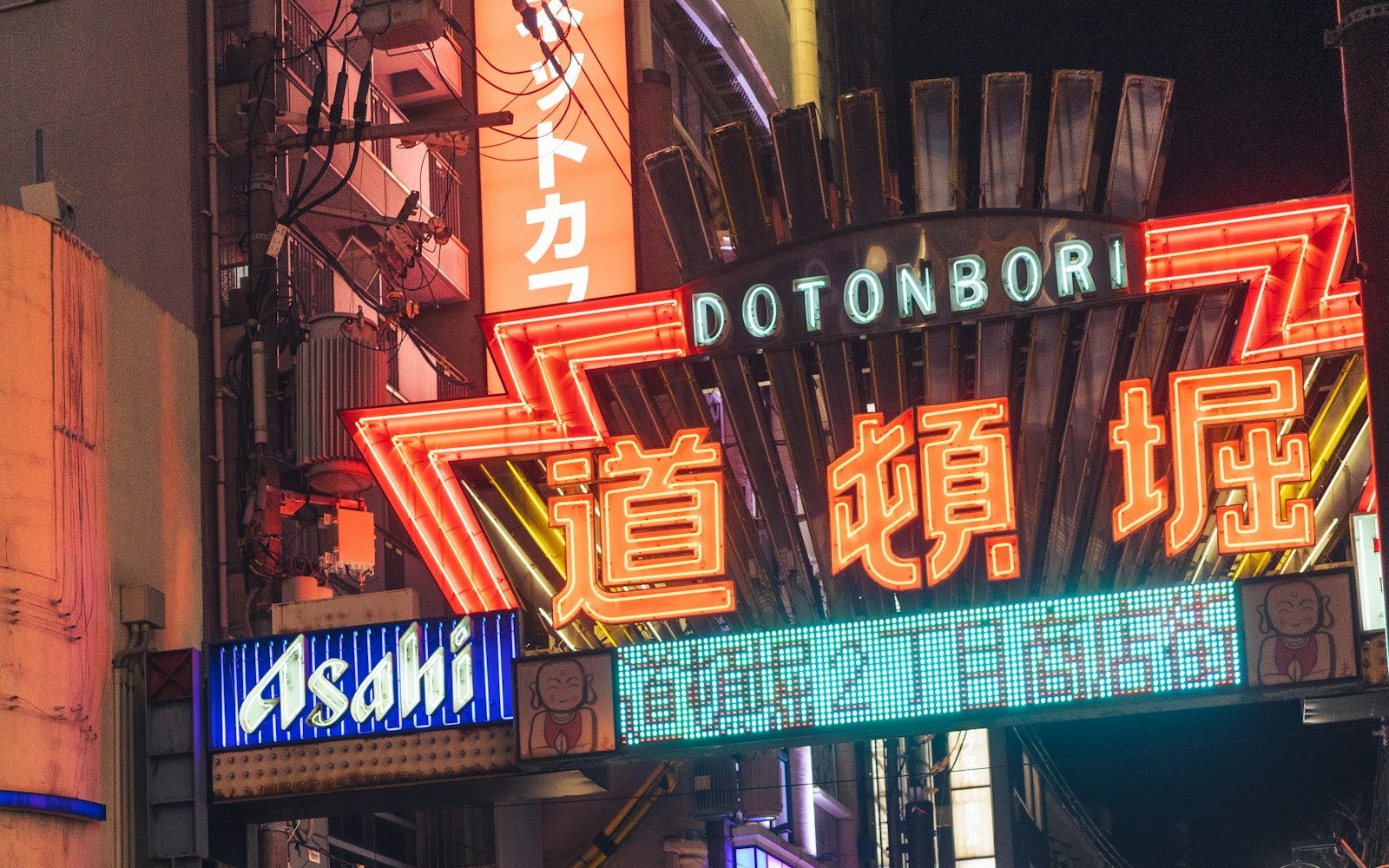
Kamakura from Tokyo: Temples, Sea or Just a Half Day?